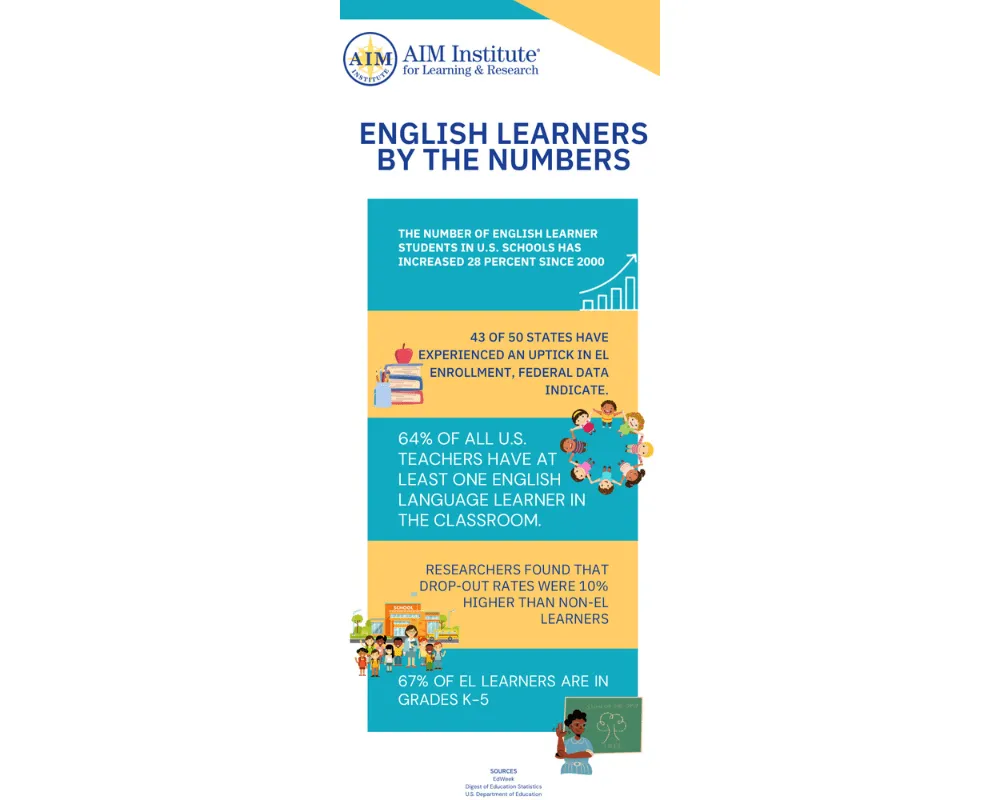
While research and literature continue to emerge on literacy instruction for English learners (ELs), there are lots of misconceptions out there that can result in harmful practices. Take a moment to check-in on your own understanding by reading the following statements. Two are false misconceptions, while only one contains the truth.
Can you locate the false statements?
1. Our culture has an influence on how we teach.

2. “Just good teaching” is good enough for all, including ELs.

3. Many English learners have learning disabilities.
If you’ve identified #2 & #3 as misconceptions, you are correct!
Let’s take a closer look at each point.
- Our culture does have an influence on how we teach, and most times, we aren’t aware of it! Our own culture and belief systems shape our instruction, just as our students’ own culture and beliefs shape their perception of the classroom experience.
Apply these tips:
Develop an awareness of your own culture and language and how it relates to your community
Analyze your behaviors within the phases of a Cultural Proficiency Continuum and consciously strive for culturally proficient teaching
Learn about the languages and cultures that exist in your community
Build relationships with people from cultural backgrounds that are different from your own
- English learners do need more than what may be deemed as ‘standard’ or ‘good teaching.’ While evidence-based instruction in phonemic awareness, phonics, fluency, vocabulary, and comprehension benefits all students, English learners require additional instructional support and adjustments.
Tips to apply include:
Using students’ native language for support and as a part of instruction
Scaffolding opportunities for language and background knowledge development
Differentiating literacy instruction based on each student’s prior literacy experiences, linguistic needs, and progress
Monitoring your language use (such as using idioms or non-literal expressions) and your students’ language to provide the necessary support for classroom participation and learning
- English learners may be misdiagnosed as having a learning disability or language delay due to a slower rate of acquiring English academic skills. Some may think that when students borrow from their native language, they experience language confusion.
Consider these facts:
Many English learners can understand more than they can demonstrate through oral language.
Students’ pronunciation is not a primary indicator of language proficiency.
When students use their native language, this does not mean they cannot perform in English.
Students' cultural identity in the greater community and school contexts can influence students’ attitudes and motivation toward learning English.
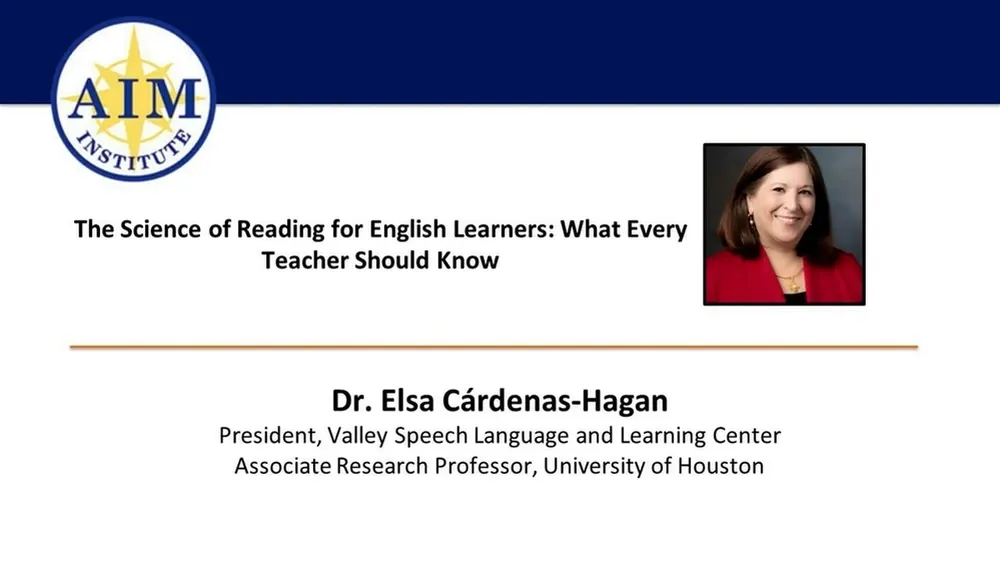
Are you ready to develop specialized knowledge that can accelerate language and literacy proficiency for English learners in your classroom? AIM Institute for Learning & Research has launched Specialized Reading Knowledge: English Learners created in collaboration with renowned literacy researcher and EL expert, Dr. Cárdenas-Hagan. To take advantage of this unique learning opportunity and build upon your Science of Reading foundation learn more and register or contact us about providing this important training to a group of educators in your school or district.