
Featured
When decoding instruction shifts to multisyllabic words, attempting to apply rule-based phonics becomes less dependable. Are learning syllable types and syllable division principles worth students' time? We explore what research reveals about effective multisyllabic word instruction.
10 min
Decoding is the process of using learned letter-sound correspondences to sound out words and typically precedes more automatic, effortless word recognition. When a student demonstrates automatic word recognition, they access the word as if by sight. Decoding is the reverse process of encoding.
7 min
Support students in using richer, more detailed language with these quick tips and examples.
1 min
Many high-frequency words (words that appear often in text) are non-phonetic, and can be particularly challenging for beginning readers who are decoding words using their phonics knowledge. A comprehensive, step-by-step guide on how to introduce irregularly-spelled words to support students' early reading skills.
15 min
Using decodable texts to reinforce phonics patterns and create a scaffolded entryway to reading for young students is a widely held practice. But are we overusing them at the detriment of authentic texts? What does the research say?
11 min
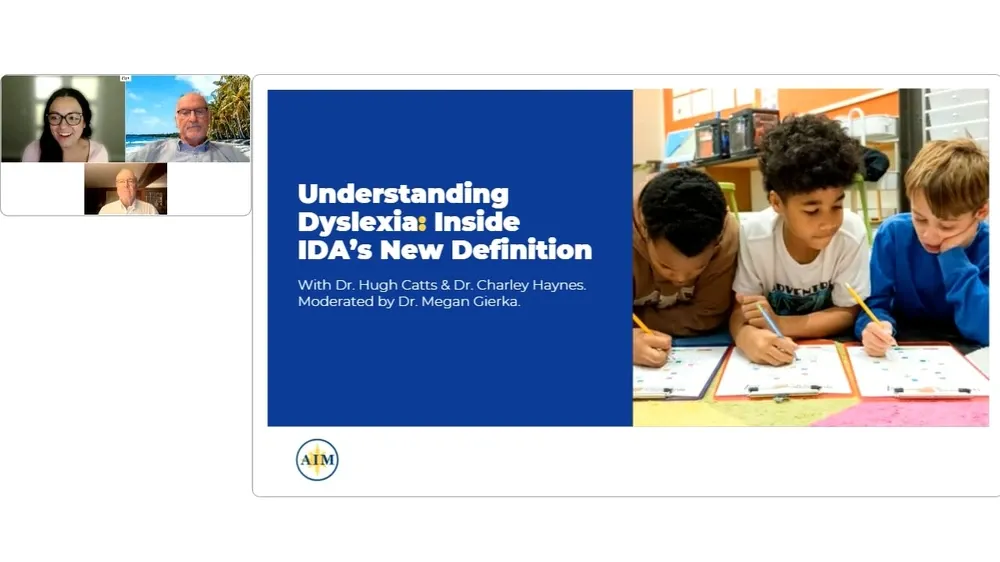
The International Dyslexia Association’s 2025 definition reflects both continuity and new insights in our understanding of dyslexia. Drs. Hugh Catts and Charley Haynes unpack the research behind the update, from multifactorial causes to its implications for educators.
66 min
Popular
Assessment data has meaning only when it drives instruction. A collection of practical decision-making flowcharts assists teachers in making strategic instructional decisions to target students' needs.
7 min
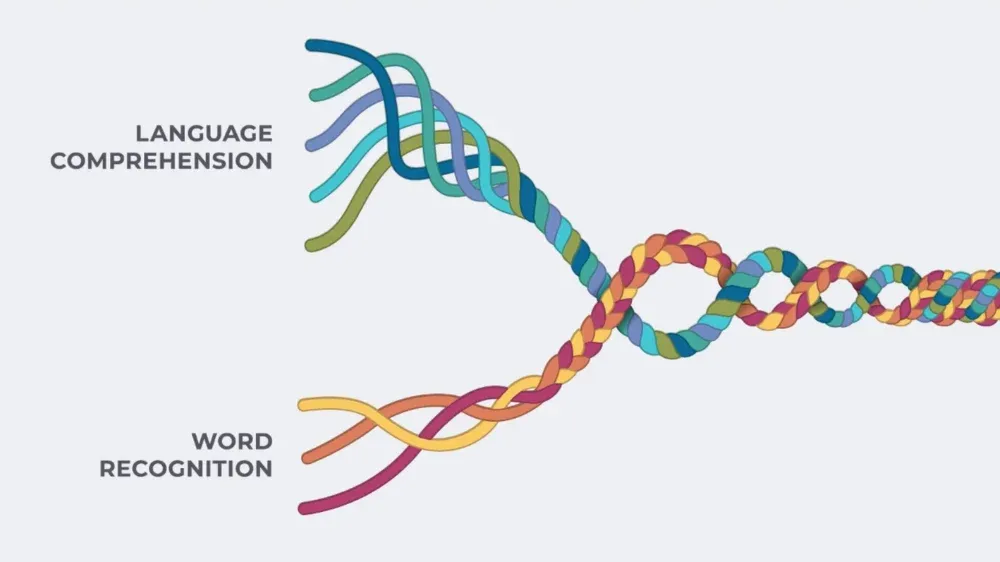
See the Reading Rope in motion. This animation, developed with Dr. Hollis Scarborough, illustrates how the strands of word recognition and language comprehension intertwine to form the foundation of proficient reading.
5 min
Consistent reading at home builds stronger word recognition, better comprehension, and fosters a love for reading. Small, consistent efforts using practical routines and tools make reading meaningful and enjoyable for every child.
7 min
Recently Viewed