Updated on Sept 14, 2026
Dyslexia affects approximately 15-20% of the population, making it one of the most common learning disabilities in children today (Shaywitz, 2003). However, despite its prevalence, many students with dyslexia go undiagnosed or receive support too late, causing them to fall behind in their reading and writing skills. Early identification and intervention are critical to ensuring that these students can thrive academically and emotionally.
In this blog, we’ll explore why early dyslexia intervention is so important, the signs that educators and parents should look for, and how evidence-based practices, like those taught through AIM Institute’s courses, can help students reach their full potential.
The Science Behind Early Dyslexia Intervention
Dyslexia is a neurological condition that primarily affects reading and language processing. While it presents differently in each individual, common symptoms include difficulty with phonological processing, reading fluency, and spelling. The earlier these symptoms are recognized, the more effective intervention can be.
Research shows that early intervention, particularly in grades K-2, can significantly improve literacy outcomes for students with dyslexia. According to a study by the National Institute of Child Health and Human Development (NICHD), children who receive targeted reading instruction before third grade are much more likely to develop reading skills that allow them to stay on par with their peers (NICHD, 2000).
Why Early Diagnosis Matters
Waiting until a student is noticeably struggling with reading can lead to frustration, low self-esteem, and academic delays that are difficult to overcome. Early intervention allows educators to provide support that builds a strong literacy foundation, setting students up for long-term success.
By understanding the neurological roots of dyslexia and providing evidence-based instruction, teachers can help students not only improve their reading skills but also develop confidence in their learning abilities. Schools that implement structured literacy programs grounded in the science of reading have seen marked improvements in their dyslexia support systems (Moats, 2020).
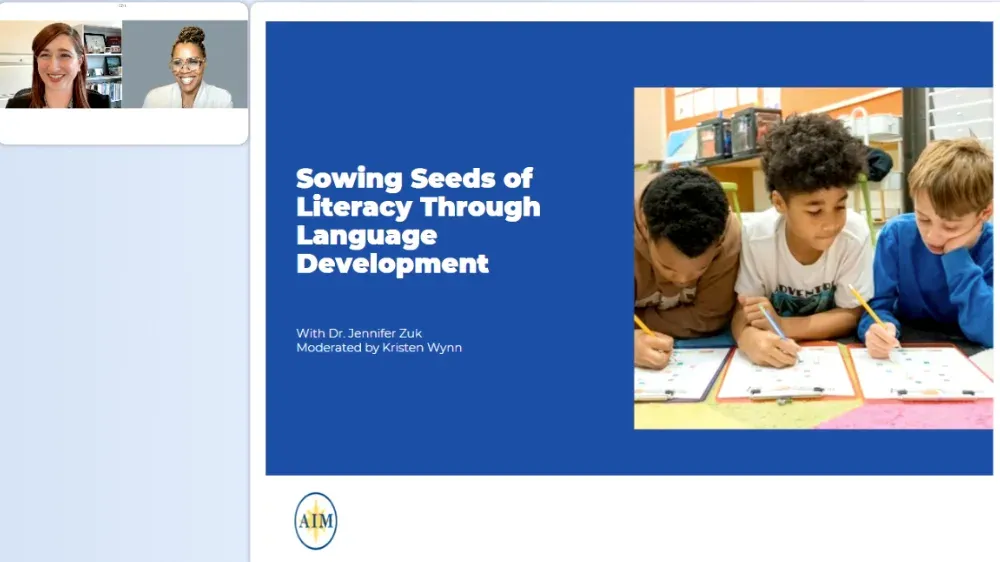
In 2025, the International Dyslexia Association released a revised official definition of dyslexia. Learn more about the IDA's new definition in an AIM Literacy Webinar featuring researchers Dr. Hugh Catts and Dr. Charles Haynes. Then, transform how you understand dyslexia and language development in Dr. Maggie Snowling's webinar, Dyslexia, Language, and Learning to Read.
Signs to Look for in the Early Grades
Early diagnosis of dyslexia can be challenging because students develop at different rates. However, there are several key signs that educators and parents should be aware of:
- Difficulty learning letters and sounds
- Trouble recognizing rhyming patterns
- Struggles with phonological awareness (e.g., breaking words into syllables or recognizing sound patterns)
- Avoidance of reading or activities that involve letters
These signs may not always indicate dyslexia, but they do signal that a child may need additional literacy support. Early screening tools can help identify at-risk students before they fall behind (International Dyslexia Association, n.d.).
The Role of Evidence-Based Intervention
The most effective interventions for dyslexia are structured and systematic, focusing on explicit instruction in phonological awareness, phonics, and decoding strategies. At AIM Institute, our IDA-accredited Pathways to Proficient Reading course provides educators with the knowledge and tools to deliver these interventions based on the latest research in the science of reading.
Programs that incorporate multimodal learning strategies—such as visual aids, tactile activities, and auditory reinforcement—have been shown to improve reading fluency for students with dyslexia (Moats, 2020). By creating an immersive learning experience, educators can engage students in ways that promote retention and understanding.
Empowering Teachers to Change Lives
Early intervention isn’t just about providing students with the skills they need to read; it’s about transforming their academic trajectory and instilling confidence. For educators, having the knowledge and resources to identify dyslexia early and implement effective strategies is crucial.
AIM Institute’s commitment to bridging research and practice empowers teachers with the tools they need to create inclusive, literacy-rich classrooms where every student can thrive. Our professional learning courses, grounded in the science of reading, offer educators a roadmap for identifying and supporting students with dyslexia.
Looking Ahead: Building Awareness for Long-Term Change
As we continue to raise awareness about dyslexia, it’s essential to focus on the importance of early diagnosis and intervention. By equipping educators with evidence-based strategies and knowledge, we can ensure that all students, regardless of their learning differences, have the opportunity to succeed.
If you're interested in learning more about how you can support students with dyslexia, consider exploring AIM Institute's professional learning opportunities. Together, we can transform lives through effective literacy instruction.
Dyslexia Awareness Month Discount
In honor of 20 years of AIM, individual educators can save $20 on any AIM Skill Builder or Comprehensive Learning Course available for open enrollment purchased prior to October 31, 2026.
AIM was founded by two mothers determined to better understand why their daughters were struggling to read and to bring research-backed literacy practices into the classroom. Twenty years later, that same purpose continues to guide our work: helping educators build the knowledge, confidence, and practical tools they need to support every learner.
During Dyslexia Awareness Month, one meaningful place to start is AIM Institute’s Demystifying Dyslexia Skill Builder. Designed for educators and grounded in current research, this interactive online learning experience explores the origins and characteristics of dyslexia and the evidence-based practices that support students with dyslexia and other language-based learning differences. The module includes a simulated dyslexia experience, multimedia learning, and printable classroom tools you can put into practice.
Save $20 on Demystifying Dyslexia—a $99 value—or choose any other AIM Skill Builder or Comprehensive Learning Course. Use code Dyslexia20 at checkout.
(Offer expires October 31, 2026.)
About AIM Institute: The AIM Institute for Learning & Research® is a non-profit center for educational excellence and professional development, providing educators with the latest research, technology, and evidence-based practices in the fields of literacy and language-based learning disabilities.