
Featured
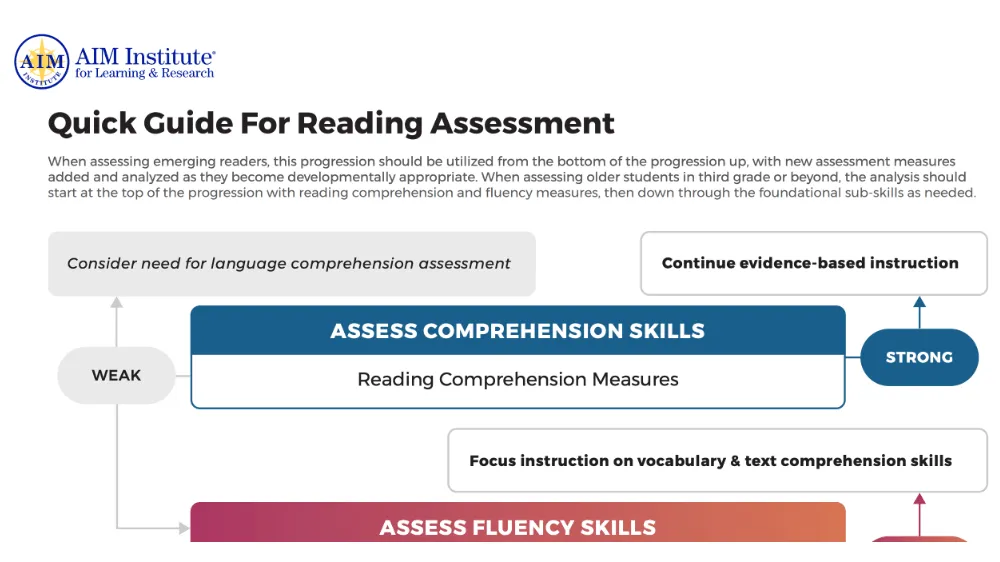
Assessment data has meaning only when it drives instruction. A collection of practical decision-making flowcharts assists teachers in making strategic instructional decisions to target students' needs.
7 min
Phrased text reading uses reading passages marked to indicate phrase (or unit) boundaries in texts for readers. A comprehensive, step-by-step guide on how to use phrased text reading to support the expression component of fluency
16 min
Sentence dictation is a huge part of our first-grade phonics program, but our kids REALLY struggle with it. Why is this so prevalent in our program when it is so hard for kids?
5 min
Small groups can help teachers target students’ literacy needs, but teacher-led small groups don’t consistently produce better outcomes. What does research say about when small groups work best?
13 min
Support students in using richer, more detailed language with these quick tips and examples.
1 min
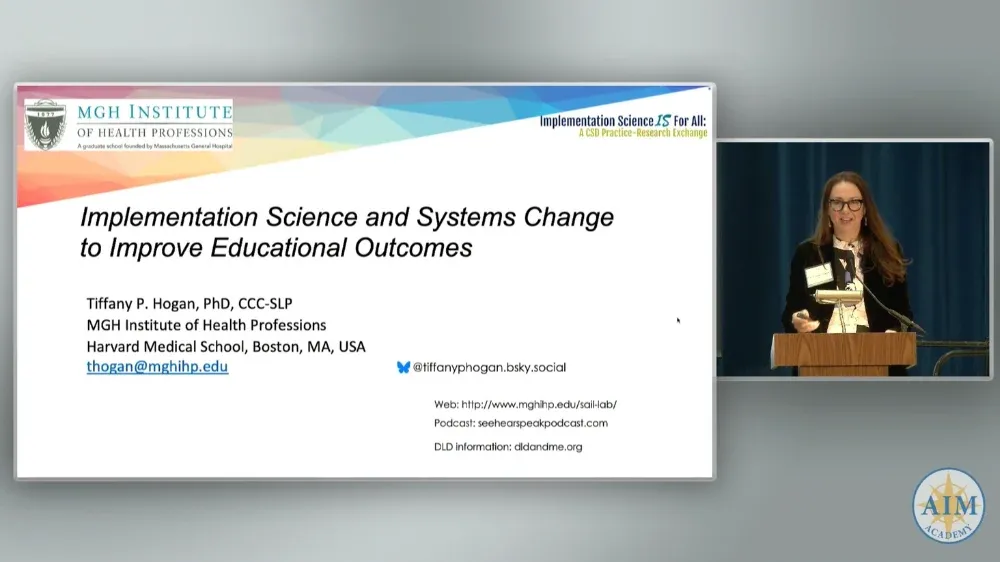
Implementation Science (IS) offers a framework for bridging the persistent gap between educational research and classroom practice. Dr. Tiffany Hogan illustrates how sustainable, equitable systems lead to meaningful literacy improvement through thoughtful planning, leadership, and collaboration.
24 min
Popular
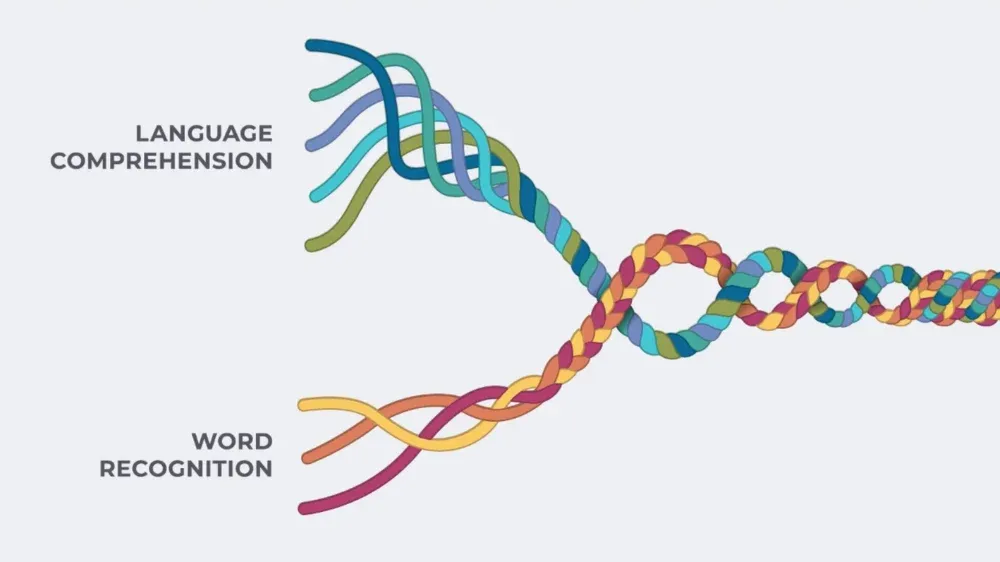
See the Reading Rope in motion. This animation, developed with Dr. Hollis Scarborough, illustrates how the strands of word recognition and language comprehension intertwine to form the foundation of proficient reading.
5 min
There are numerous complex words to teach, but limited instructional time. Can any approach identify the best vocabulary words to teach? A closer look at what research supports about selecting words for explicit instruction.
13 min
What do I do when a student isn’t responding to Tier 2 intervention?
5 min
Recently Viewed